
What is RoRo Shipping for Cars?
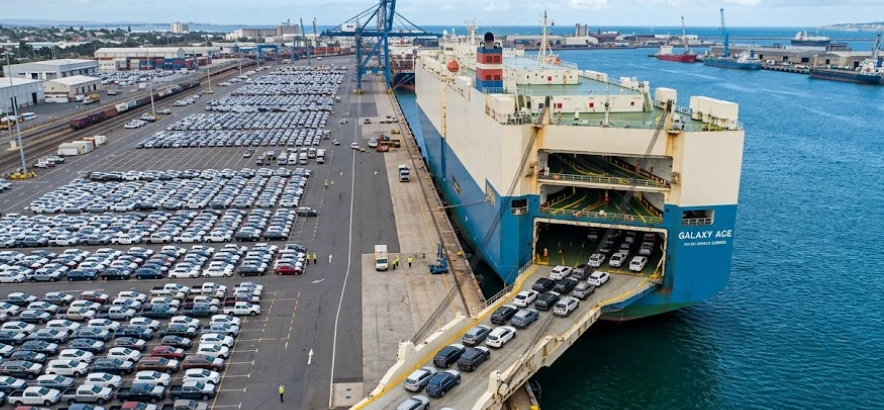
RoRo (Roll-on/Roll-off) shipping is a maritime transport method where wheeled cargo—such as cars, trucks, and heavy machinery—is driven directly onto the vessel at the departure port and driven off at the destination. Unlike standard container shipping that relies on port cranes to lift cargo, RoRo ships utilize built-in ramps and feature enclosed, multi-level decks resembling a massive floating parking garage. For B2B automotive importers, it is generally the most cost-effective and efficient way to transport operable vehicles internationally at scale.
How the RoRo Process Works
The logistics of RoRo are highly streamlined to handle thousands of vehicles per voyage. The process follows a strict operational flow:
- Terminal Receiving: Vehicles are delivered to the departure port’s designated RoRo terminal, where they undergo a strict physical inspection and are staged in holding lots.
- Loading: Professional port drivers (stevedores) drive the vehicles up the vessel’s stern or side ramps.
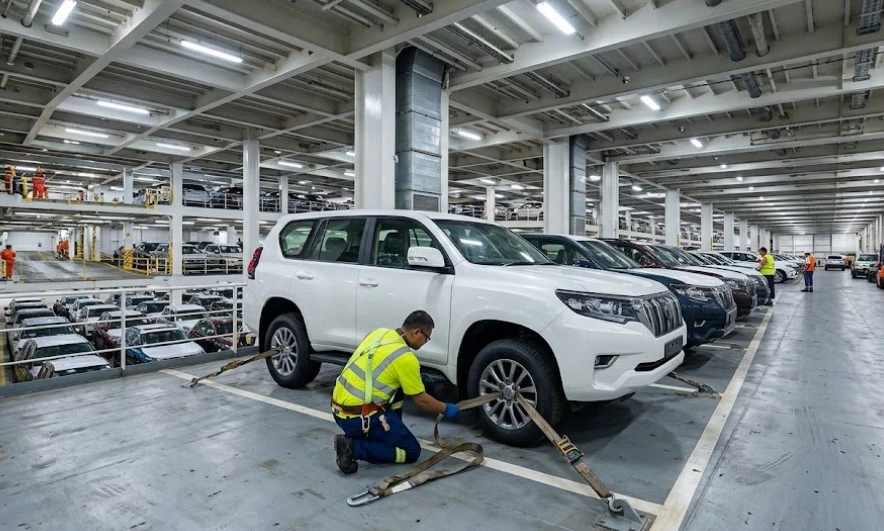
- Securing: Once positioned on the internal decks, each vehicle is tied down using heavy-duty lashing straps attached to the chassis or wheels to prevent any shifting during ocean transit.
- Discharge: Upon arrival at the destination port, the lashing is removed, and the vehicles are simply driven down the ramp for immediate staging and customs clearance.
Because the vehicles are stored strictly below deck, they are fully shielded from ocean water, salt spray, and extreme weather, minimizing the risk of exterior transit damage.
RoRo vs. Container Shipping: A Direct Comparison
When deciding how to import vehicles, B2B buyers typically weigh RoRo against standard 40ft High Cube (HC) containers.
| Feature | RoRo Shipping | Container Shipping |
| Cost per Vehicle | Lower (priced by cubic meter/CBM or standard unit) | Higher (requires specialized blocking, bracing, and labor) |
| Volume Capacity | Extremely high (4,000 to 8,000+ vehicles per ship) | Low (max 2-4 vehicles per 40ft container depending on size) |
| Port Infrastructure | Requires specialized RoRo port terminals and ramps | Can be handled by standard cranes at any major global seaport |
| Security & Handling | Handled by multiple port drivers during loading/unloading | Container seal remains intact from origin to destination port |
Key Compliance Requirements for RoRo Transport
Shipping lines enforce strict regulations for RoRo cargo to ensure vessel safety and compliance with international maritime laws. If you are importing vehicles, ensure the shipment meets the following criteria to avoid terminal rejection fees:
- Operable Condition: The vehicle must have functioning brakes, steering, and an operational engine. If a car cannot be driven under its own power (non-runner), it requires specialized terminal towing equipment and incurs heavy freight surcharges.
- Zero Cargo Policy: The interior cabin and trunk of the vehicle must be completely empty. No personal items, aftermarket spare parts, or promotional materials can be shipped inside the car. Only the factory-issued spare tire, jack, and manual are permitted.
- Fuel and Battery Limits: Internal combustion engine (ICE) vehicles must typically have less than 1/4 tank of fuel to minimize fire hazards. For Electric Vehicle (EV) exports, maritime shipping lines strictly mandate that the high-voltage battery state of charge (SoC) remains between 20% and 50% during the voyage.