
Priced from 209,900 RMB, XiaomiSkyNomad N70 Launched: An Extended-Range Large 5-Seater SUV for Young Families
On September 7th, the XiaomiSkyNomad N70 was officially launched. The new vehicle comes in two trims: the XiaomiSkyNomad N90 Max, priced at 269,900 yuan, and the XiaomiSkyNomad N90 Max Exploration Edition, priced at 299,900 yuan. Positioned as an extended-range, large five-seater SUV aimed at young family users, it boasts a maximum CLTC pure electric range of 505 km and offers an impressive 4.01 square meters of usable cabin space.

Customers who place an order before midnight on October 7th can enjoy up to 67,000 RMB in early-bird launch benefits. These include swiveling front seats, Nappa leather, Xiaomi HAD (autonomous driving), a 9L compressor refrigerator (Max version only), an auto-dimming driver-side exterior mirror (Max version only), as well as wheel and paint discount vouchers. Financial perks include a down payment starting at 49,900 RMB with a limited-time low-interest 5-year loan (1.99% annualized rate) or flexible repayment plans. Furthermore, first-time Xiaomi car owners purchasing an additional vehicle or trading in will receive 20,000 reward points (valued at 2,000 RMB), while existing owners who refer a friend to buy a car will receive a 200 kWh charging card plus 3,000 points.




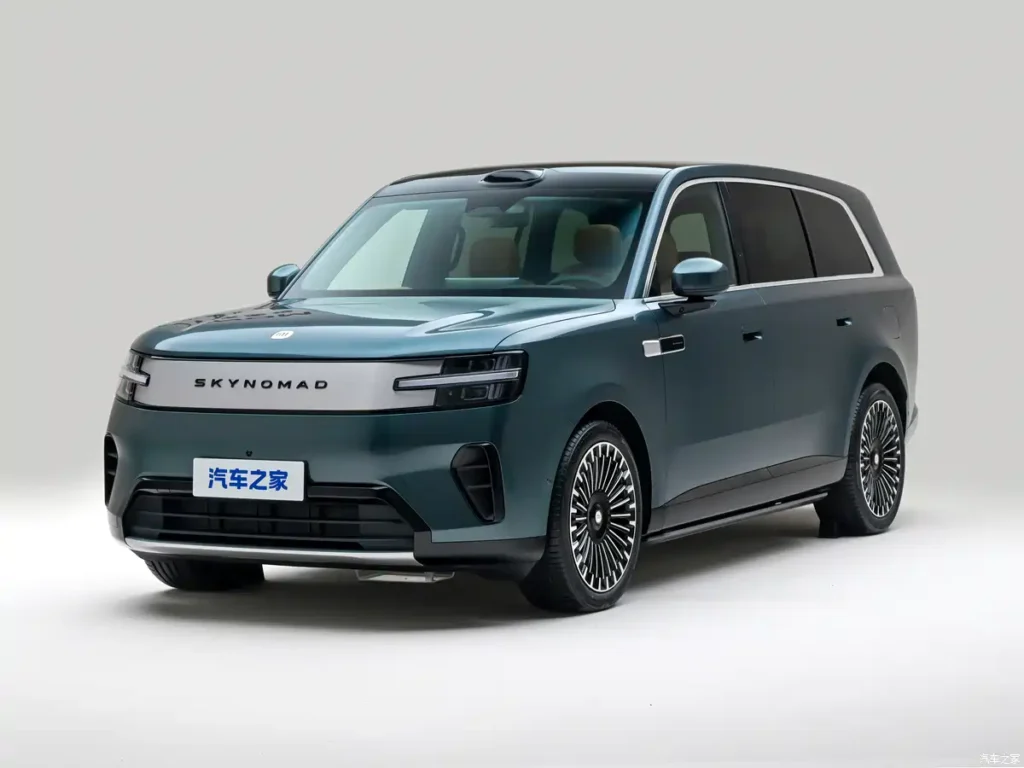
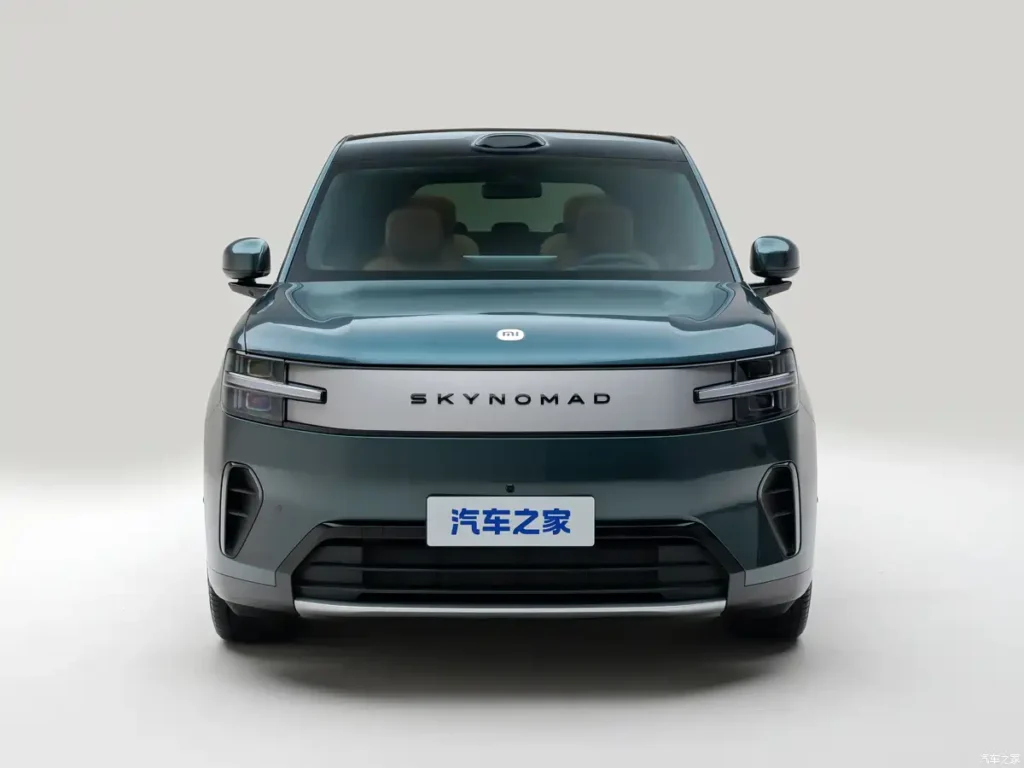

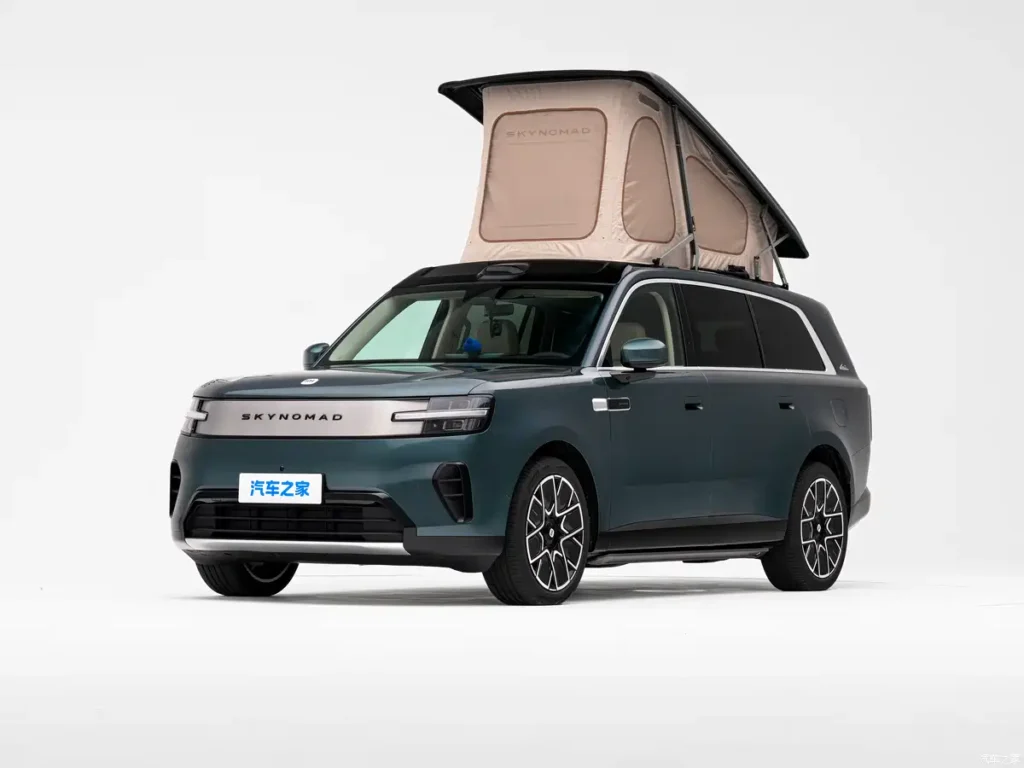
Visually, the XiaomiSkyNomad N70 adopts a brand-new design language. Its “dragonfly” headlights retain the brand’s family characteristics while introducing innovative touches—the high beams have an illumination distance of 605 meters, and the low beams provide 180° ultra-wide-angle coverage. For body colors, the new car offers six options: Pearl White, Volcano Grey, Obsidian Black, Distant Mountain Green, Cool Khaki, and Butterfly Valley Blue. The Butterfly Valley Blue and Distant Mountain Green colorways also offer a choice of body-color or brushed aluminum personalized trim panels.


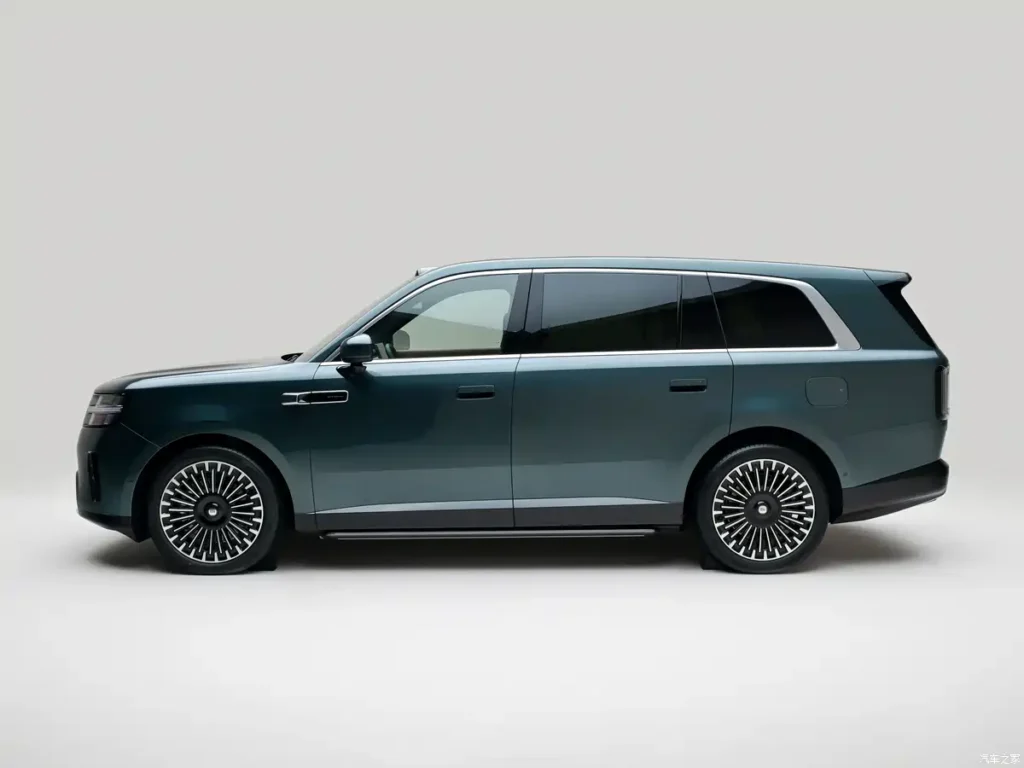

Moving to the side, the car features a short-front, long-rear overhang design. A pebble-shaped LiDAR unit on the roof enhances its aesthetic appeal. It also comes equipped with new national standard semi-hidden mechanical door handles and floating exterior mirrors identical to those on the SU7 and YU7 models. In terms of dimensions, the N70 measures 4960 mm in length, 1998 mm in width, and 1765 (1785) mm in height, with a wheelbase of 2950 mm. Buyers can choose between one 19-inch and three 21-inch wheel options. At the rear, the SUV features a newly designed, three-dimensional “star-ring” taillight that is highly recognizable when illuminated.


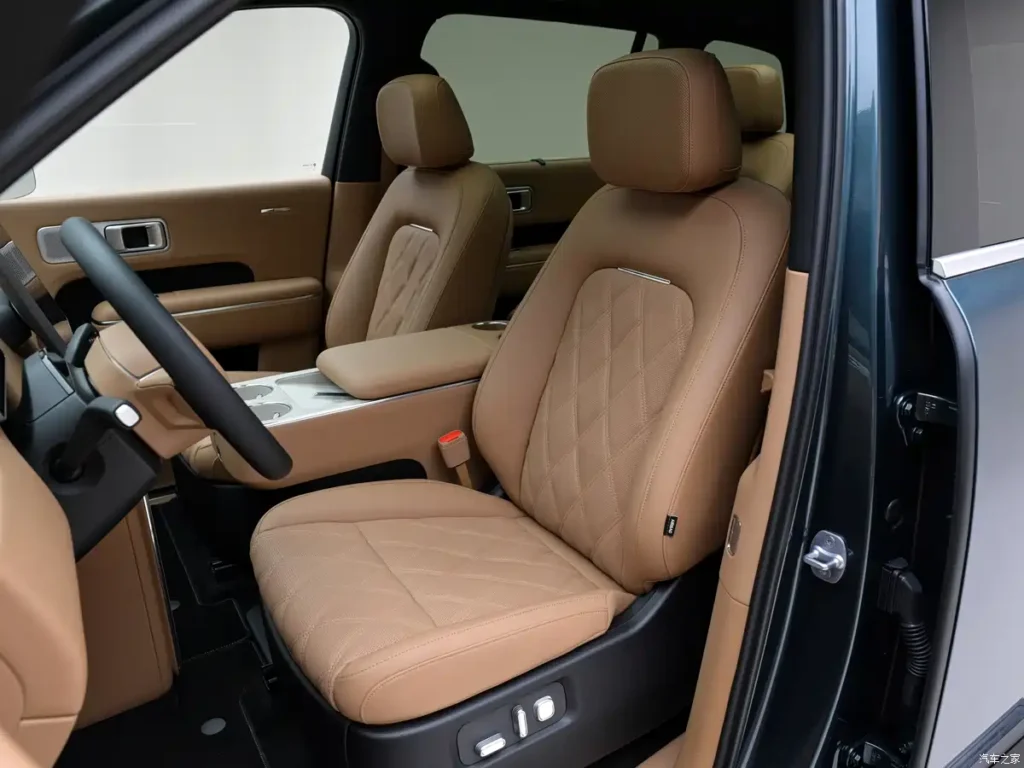
Inside the cabin, the XiaomiSkyNomad N70 offers three theme colors: Sandstone Beige, Midnight Black, and Mocha Brown. The front row is equipped with an 8.8-inch digital instrument cluster, a 20-inch Head-Up Display (HUD), and a 16.1-inch central control screen. The infotainment system is powered by the HyperOS cabin system and a Qualcomm Snapdragon 8650 automotive chip. The “Super Xiaoai” voice assistant comes standard, supporting dynamic in-cabin audio zones and “walk-and-talk” voice interactions outside the vehicle. Additionally, the vertical center console design features built-in storage compartments and hidden drawers.






The front seats come in three variations: massage seats (16-point massage), swiveling seats, and zero-gravity seats. Heating, ventilation, and a heated steering wheel are also included. When the swiveling seats are selected, they can rotate 180°, enabling a face-to-face seating mode, an office mode, or a “large bed” mode. The center island features a sliding mechanism, integrating four cupholders, a 50W wireless charger, a 6.6L storage cubby, a 9L compressor fridge, and ecosystem accessory ports.
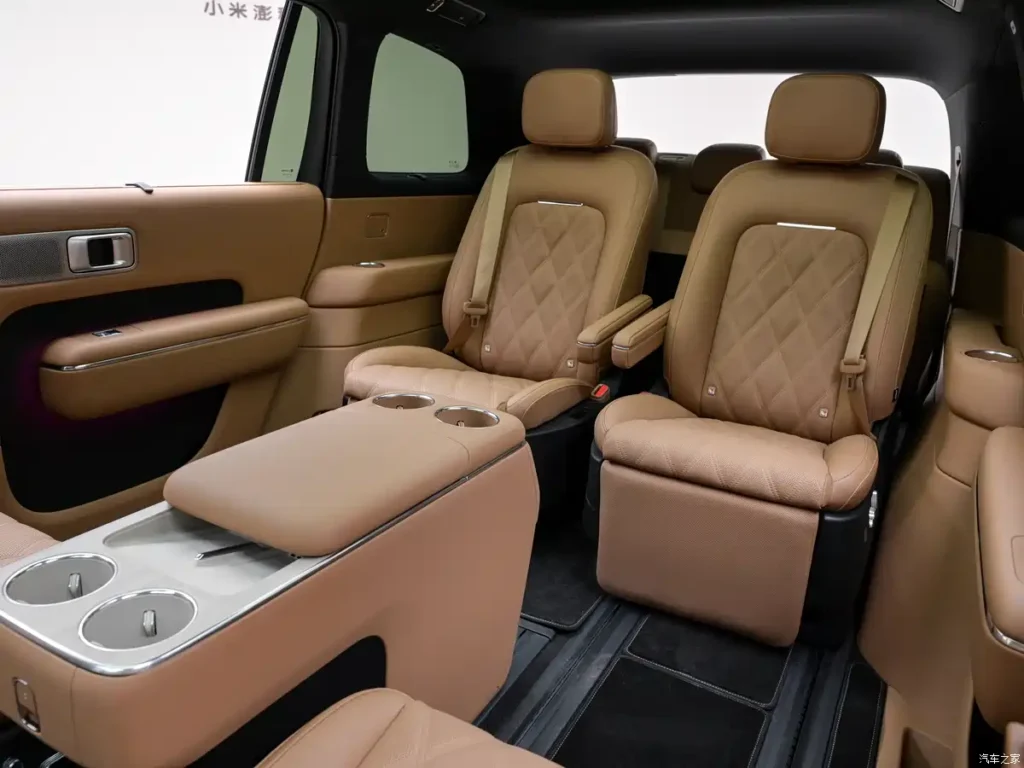
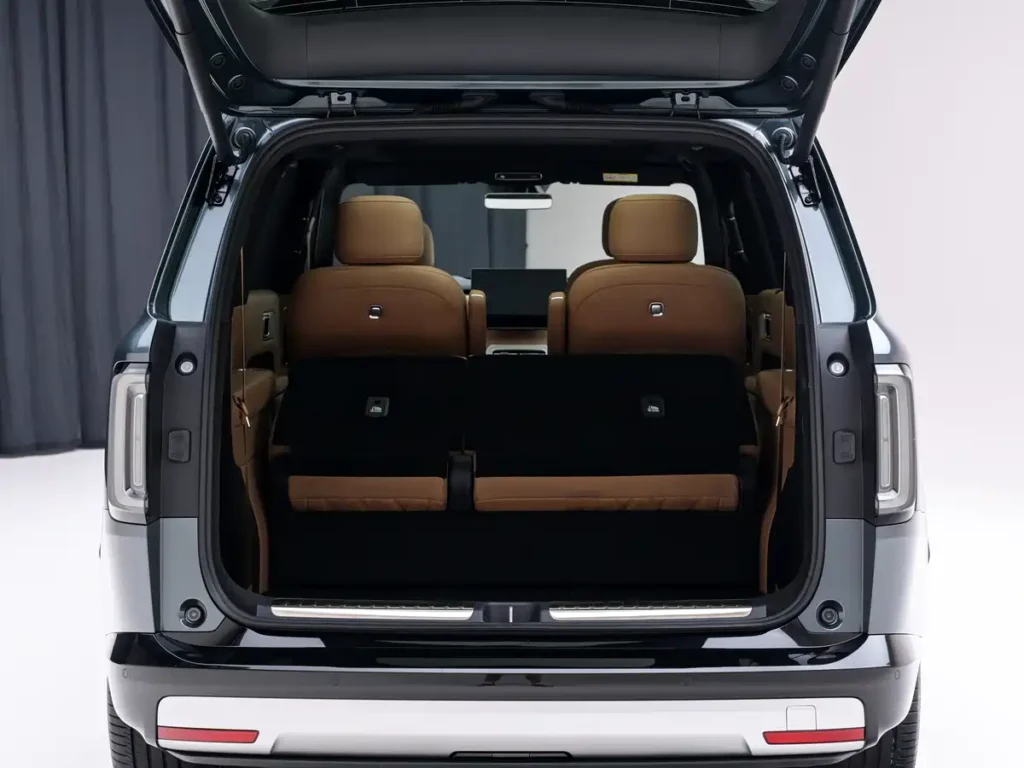
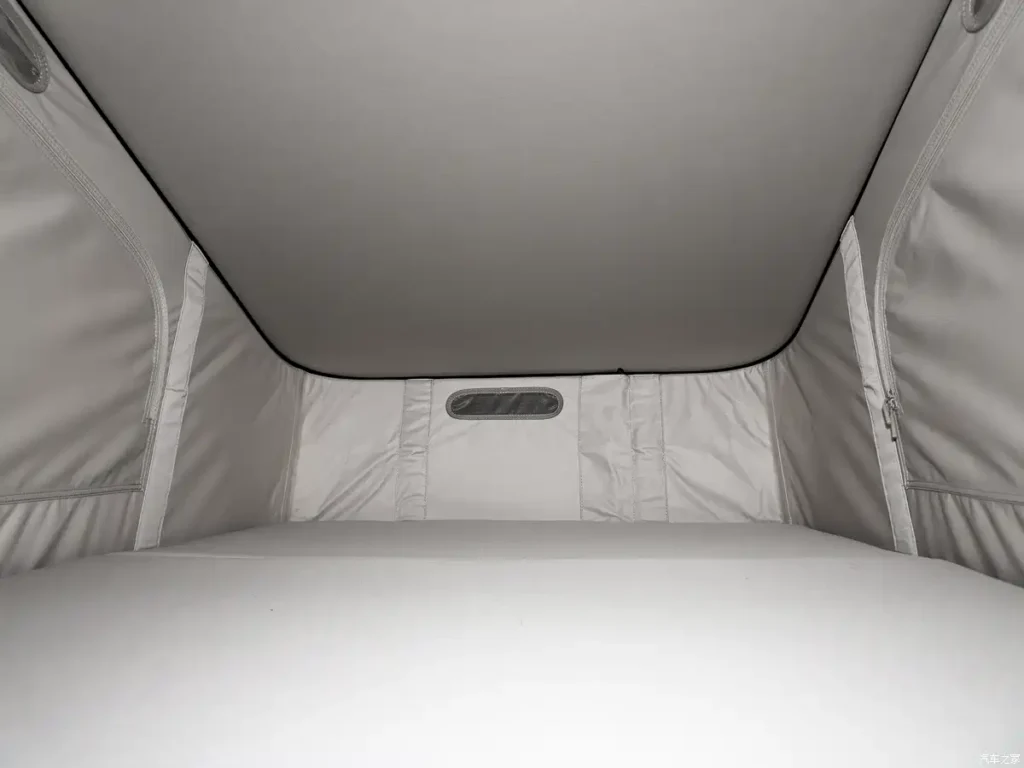
The rear doors can open to a nearly 90-degree angle, revealing a perfectly flat 2.58-meter floor with five built-in sliding tracks extending up to 1.56 meters. The second row offers a maximum seating space of 1410 mm. In this configuration, the standard trunk capacity is 1203L, which can expand to a massive 2425L. The rear seats support ventilation and heating, and feature a large 8.5L built-in drawer. Furthermore, the vehicle is equipped with a 25-speaker sound system, 256-color diffuse ambient lighting across 14 zones, a 21.4-inch rear entertainment screen, a 6.88-inch detachable rear control screen, and fold-out tray tables.
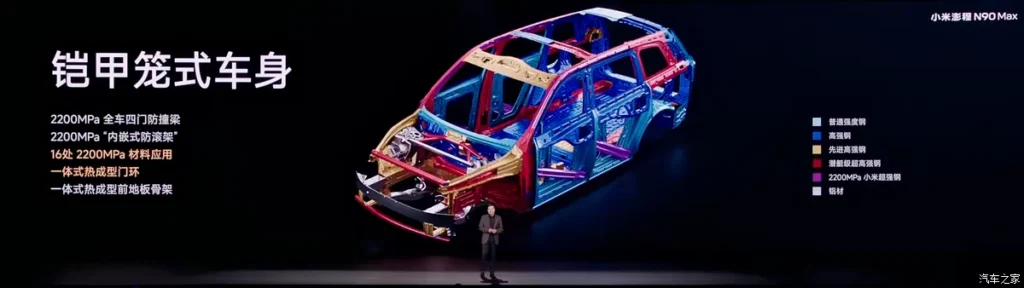
In terms of safety, high-strength steel and aluminum alloys make up 91.3% of the vehicle’s structure. An “embedded roll cage” is formed using 2200MPa ultra-high-strength steel in 14 critical areas. It is also equipped with one-piece hot-stamped door rings, a one-piece hot-stamped front floor skeleton, 9 airbags, and 21 anti-pinch mechanisms. The extra-long sliding tracks are made of 7-series reinforced aluminum alloy, boasting a locking strength of 65,000N and a peel strength of up to 70,000N. For driver assistance, it will feature LiDAR paired with an NVIDIA Thor-U chip delivering 700 TOPS of computing power. Adapted with Xiaomi’s HAD large model, it supports highway and urban Navigation on Autopilot (NOA), as well as valet parking assistance, offering a more human-like driving experience.



Under the hood, the new car is powered by an extended-range system utilizing a 1.5T engine. The XiaomiSkyNomad N70 Pro features a single motor producing a maximum power of 210 kW. It is paired with a 52 kWh Sunwoda lithium iron phosphate (LFP) battery, delivering a CLTC pure electric range of 351 km, a comprehensive CLTC range of 1351 km, and a WLTC fuel consumption of 5.7L/100km when the battery is depleted. Front double-wishbone and rear multi-link independent suspension come standard.
The XiaomiSkyNomad N70 Max upgrades to a dual-motor all-wheel-drive system with maximum outputs of 210 kW (front) and 100 kW (rear), allowing for a 0-100 km/h acceleration time of 5.5 seconds. Equipped with a 76 kWh battery, it achieves a CLTC pure electric range of 505 km and a combined range of 1461 km. The Max version also includes air springs and continuous damping control (CDC) shock absorbers. The turning radius is 5.67 meters, and the maximum wading depth is 600 mm for the Pro and 650 mm for the Max.
Competitors:
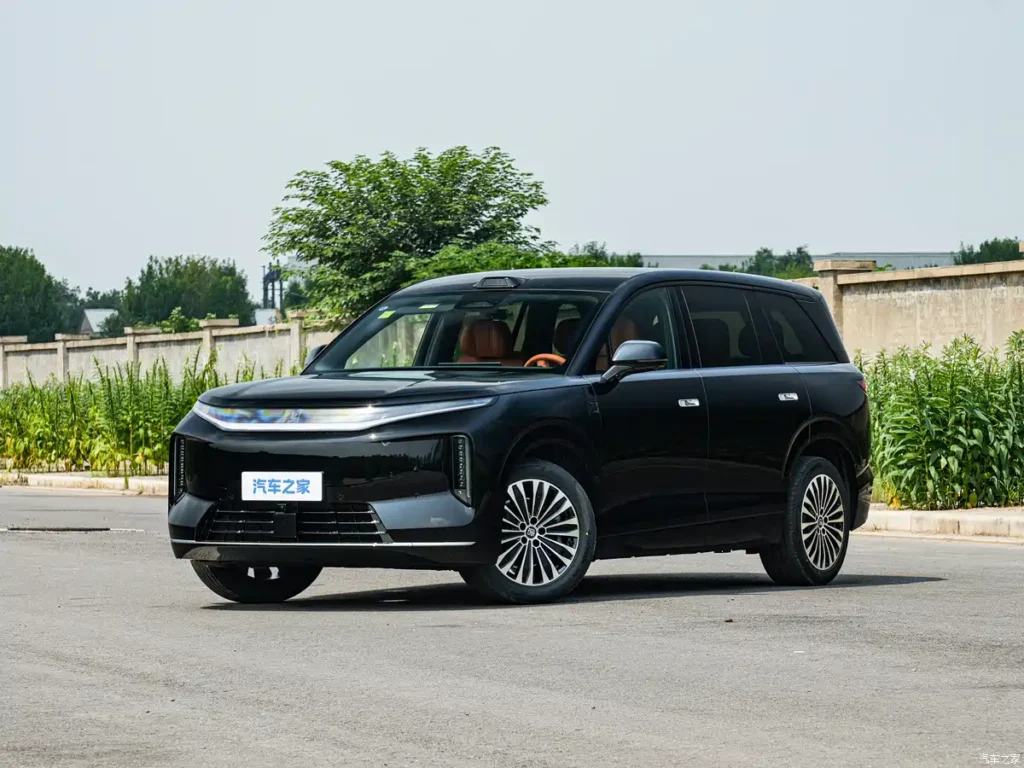
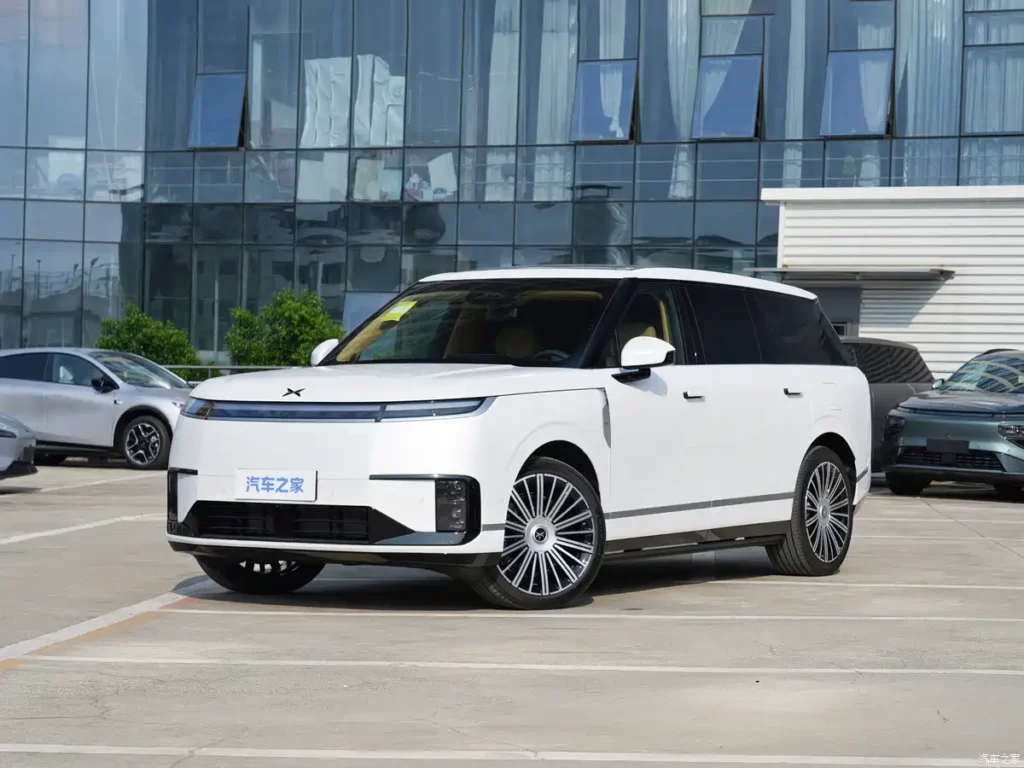

XiaomiSkyNomad N70 vs. Competitor Dimensions:
- XiaomiSkyNomad N70: 4960 / 1998 / 1785 mm (Wheelbase: 2950 mm)
- Li Auto L6: 4935 / 1960 / 1735 mm (Wheelbase: 2920 mm)
- AITO M6: 4960 / 1985 / 1736 mm (Wheelbase: 2950 mm)
- Xpeng G9: 4891 / 1937 / 1670 mm (Wheelbase: 2998 mm)
- ONVO L80: 5145 / 1998 / 1766 mm (Wheelbase: 3110 mm)
- BYD Sea Lion 08: 5115 / 1999 / 1800 mm (Wheelbase: 3030 mm)
Judging by its features and pricing, the XiaomiSkyNomad N70 is squarely targeting the Li Auto L6 and AITO M6. As a latecomer, the N70 holds competitive advantages in price, space, configuration, range, and versatile seating scenarios. The next step is to see if it can quickly win over young families, and it will be interesting to watch how rivals like the Li Auto L6 and AITO M6 respond—whether they will accelerate their own new product pipelines is worth anticipating.
Moreover, looking at its overall 200,000–250,000 RMB price range, its competitors effectively span all large 5-seater SUVs in this bracket, including the Xpeng G9, ONVO L80, and Sea Lion 08. Despite different powertrain types, overlapping prices will inevitably spark competition. Whether the N70 can dominate its price segment will be a key test of its potential to become a benchmark product.
For sharing purposes only.