BYD Electric Car Price in China: Top Import Tips for 2026
When you plan to import BYD electric cars from China, the first question is usually about the vehicle and its cost. But there are a few other things worth sorting out before you place an order: the exact specification, export eligibility, shipping arrangements, and the rules in your destination market.
These details are especially important if you are buying several vehicles for a dealership, rental business or commercial fleet. A small difference in configuration can affect charging compatibility or registration, while unclear delivery terms can make the import budget difficult to assess.
China remains a major source of electric vehicles for international buyers. The International Energy Agency’s Global EV Outlook 2026 reports that Chinese electric car exports more than doubled in 2025, exceeding 2.5 million units.
For importers, that creates opportunities to explore different models and supply options. The practical challenge is finding a vehicle that suits the intended market and making sure the arrangements are workable before committing funds.
Why Are Overseas Buyers Interested in BYD Electric Cars?
Different buyers have different priorities. A rental company may need compact vehicles for city use, while a distributor may be looking for family SUVs or electric sedans for a wider customer base.
BYD offers several vehicle categories, but a car advertised in China is not necessarily identical to the version sold in another market. Equipment, charging connectors, software functions, and supporting documentation can vary.
That is why it helps to start with the intended use rather than choosing a model based on its advertised features alone. For a fleet, charging access and spare parts may affect daily operations more than an additional convenience feature. For private customers, cabin space, range and comfort may carry more weight.
The aim is to identify a vehicle that meets your requirements and can be supplied under workable export and delivery arrangements.
Which BYD Electric Cars Should You Consider?
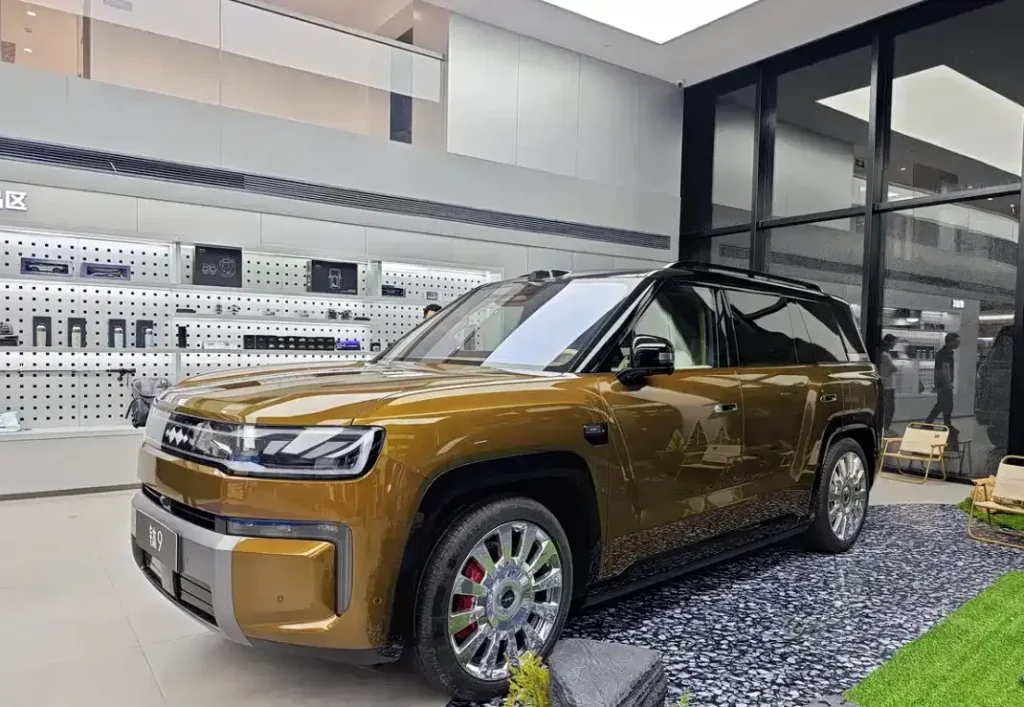
BYD offers electric vehicles across several categories. Examples buyers may encounter include the DOLPHIN, DOLPHIN SURF, ATTO 3, SEAL, SEALION 7, and TANG. However, model availability and specifications vary by market, so these names should be treated as a starting point rather than confirmation that every version is available for export. Before requesting a quotation, confirm the exact model, powertrain, trim level, charging configuration, and requirements of your destination market.
A few practical considerations can help narrow the choices:
- City transport and rental: Compact electric cars may suit urban journeys and frequent daily use.
- Family vehicles: Sedans and SUVs offer different combinations of passenger space, comfort and driving range.
- Commercial fleets: Availability, charging compatibility, maintenance planning and spare parts support deserve attention alongside vehicle specifications.
- Longer journeys: Battery capacity matters, but so do charging performance, highway efficiency and the charging network at the destination.
Check the powertrain, too. BYD sells both battery-electric and plug-in hybrid vehicles. If your order requires fully electric cars, specify a battery-electric vehicle (BEV) rather than using the broader term “electric vehicle” without clarification.
What Affects an Export Quotation and the Overall Import Budget?
Two quotations can look similar but cover different vehicles or services. Before comparing them, check what is actually being offered and which expenses remain outside the quoted amount.
Vehicle Specification and Order Quantity
Confirm the model, version, battery configuration, equipment, production year, and vehicle condition. Availability can affect how the order is arranged, particularly when specific configurations are required.
Quantity also matters. A single vehicle and a batch order may involve different preparation, inspection and shipping arrangements. A larger order does not automatically guarantee a particular discount or delivery date.
Delivery Terms and Payment Conditions
Check the quotation’s validity period, currency and agreed payment terms. Exchange-rate movements can affect the amount payable, especially if there is a gap between the quotation and payment dates.
FOB and CIF also cover different responsibilities and cost scopes. Read the agreed delivery terms before comparing offers, and clarify which services are included.
What Other Import Costs Should You Consider?
Depending on the destination and transaction, your overall budget may need to account for freight, insurance, customs duties, taxes, port handling, customs clearance, local transportation, and registration.
There is no reliable universal formula for the landed cost of a BYD electric car. Rather than relying on generic online estimates, use the actual vehicle specification and agreed delivery terms as the basis for assessing the budget. Ask for included services and excluded expenses to be clearly identified.
What Export Rules Apply to BYD Electric Cars in 2026?
Export eligibility should be checked before the order proceeds too far. China and the destination country may apply different requirements, so the export process and import approval should be considered separately.
China’s Electric Passenger Car Export Licensing Requirements
China’s Announcement No. 54 of 2025 introduced export licensing management for specified passenger vehicles powered solely by electric motors, under the relevant customs classification, from January 1, 2026.
The announcement refers to vehicles with a vehicle identification number (VIN) under the relevant classification, referenced as HS code 8703801090. Its scope should not be assumed to apply identically to every vehicle category or powertrain. The responsible exporting party needs to confirm the applicable licensing and inspection requirements for the actual vehicle and transaction.
Vehicle status matters too. New vehicles and vehicles previously registered in China may involve different documentation or procedural checks.
Destination-Country Import Rules
Local duties, technical approval, and registration requirements depend on the importing country.
For example, the European Union has imposed countervailing duties on qualifying new battery-electric vehicles originating in China. The relevant framework was amended by Commission Implementing Regulation (EU) 2026/330. The European Commission has also published guidance on price undertaking offers for electric vehicles from China.
The applicable treatment depends on the relevant product, exporter and current measures. Do not assume that one duty rate applies to every vehicle. Check the current requirements before using a duty figure in your import budget.
How Should You Arrange Ocean Freight and Battery Transport?
Shipping is easier to plan when the destination port, vehicle quantity and documentation requirements are discussed early. The available route, vessel schedule and cargo-handling arrangements all affect the options.
RoRo or Container Shipping?
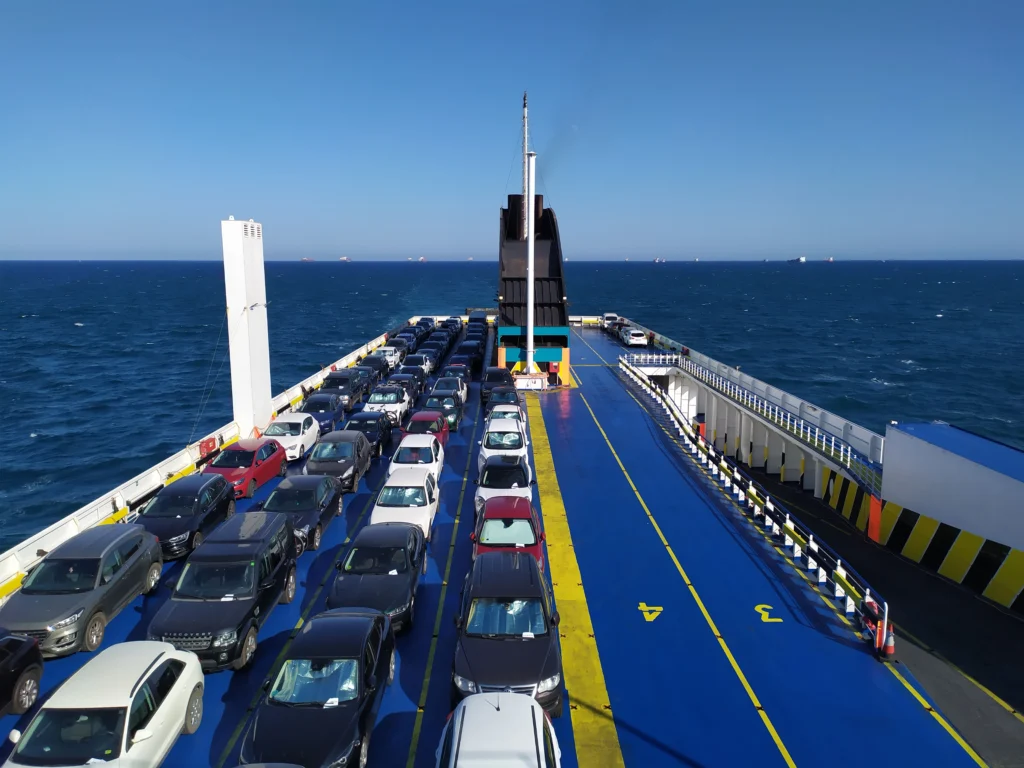
Roll-on/roll-off (RoRo) vessels are designed to carry vehicles that can be driven on and off. Container shipping may be suitable for certain individual vehicles or batch orders.
Neither method is automatically the better choice. Vehicle dimensions, shipment size, route availability and destination-port facilities all matter. Ask for a quotation that clearly states the ports covered, the services included and any relevant exclusions.
Transit times are estimates, not guarantees. Sailing schedules, weather, port congestion and other operational factors can affect delivery.
What Should Buyers Know About EV Battery Transport?
Electric vehicles contain high-voltage traction batteries, so their transport must follow the applicable shipping and safety requirements.
The International Maritime Organization’s International Maritime Dangerous Goods Code, 2024 Edition with Amendment 42-24, became mandatory on January 1, 2026.
The precise classification, documents, and handling instructions depend on the cargo and applicable rules. A complete electric vehicle should not automatically be treated in the same way as a battery shipped separately.
Before a booking is confirmed, the shipper, freight forwarder and carrier should establish the requirements for the actual shipment. Depending on the circumstances, these may involve vehicle and battery information, transport declarations, securing arrangements and applicable handling or state-of-charge instructions.
There is no single checklist that can safely be assumed to apply to every shipment. Confirm the requirements with the parties responsible for the vehicle and its transportation before loading.
Will a China-Market BYD Meet Your Local Requirements?
A vehicle available for purchase in China may still require checks before it can be registered and used in your country. Local regulations and the exact vehicle specification determine what is needed.
Vehicle Approval and Registration
Depending on the destination, requirements may include vehicle approval, conformity assessment, safety documentation, labeling or other technical checks.
Identify these requirements before confirming the order. If additional certification or adaptation is necessary, clarify the scope and responsibilities in advance.
Charging and Software Compatibility
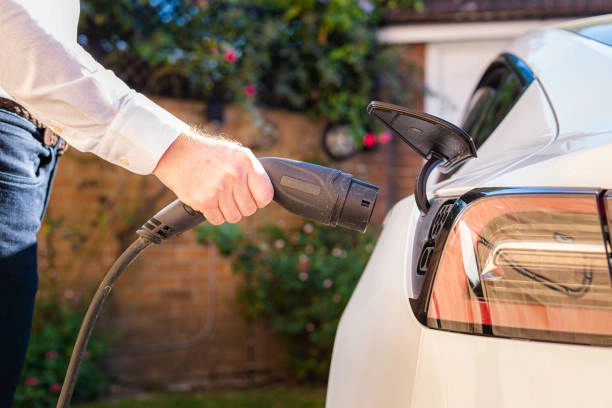
Confirm the charging connector and AC and DC charging capabilities against the infrastructure in your market. Do not assume that a China-market vehicle has the same charging configuration as an overseas version with a similar model name.
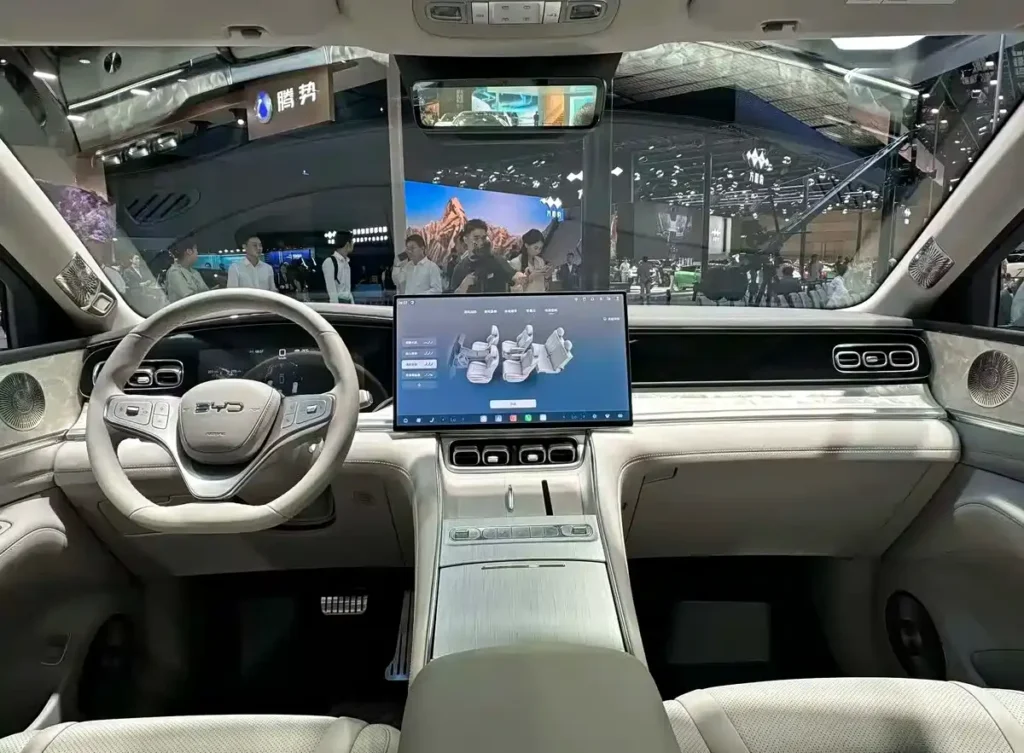
Software deserves attention too. Language settings, navigation, connected services, and remote functions may depend on the vehicle configuration and local network availability.
Not every vehicle requires modification. The aim is to identify what actually applies to your model and destination before committing to the purchase.
How Can You Plan After-Sales Support and Reduce Transaction Risks?
Delivery is only one part of the job, particularly if the vehicles will be used for rental operations or commercial fleets. Spare parts, service information, and technical support can affect how reliably the cars operate after arrival.
Warranty coverage should be checked separately. Do not assume that terms offered in one market automatically apply in another. Confirm the conditions for the specific vehicle and destination, including any geographic limitations or maintenance requirements.
Transaction documentation deserves the same attention.
- Check the order: Make sure the agreed model, specification, quantity, and delivery terms are recorded correctly.
- Verify vehicle details: Once VINs are available, check that the relevant records correspond to the vehicles being prepared for export.
- Agree on inspection arrangements: Clarify what will be checked and how discrepancies or shipping damage will be handled.
- Verify payment instructions: If bank details change, confirm the change through an established contact channel before transferring funds.
These steps cannot eliminate every risk, but they help prevent avoidable misunderstandings and clarify each party’s responsibilities.
What Information Should You Prepare Before Requesting a BYD Export Quotation?
You do not need to know every technical detail before enquiring. A few practical details, however, can make the first discussion much more productive.
Use this checklist when contacting a vehicle sourcing team:
| Information | What to provide |
| Vehicle | Preferred model, version and powertrain |
| Quantity | Number of vehicles and possible repeat orders |
| Condition | New or used, plus any production-year requirements |
| Destination | Importing country and preferred port |
| Specifications | Charging connector, drive side, and essential equipment |
| Delivery timing | Target shipment or delivery window, if known |
| Budget | Approximate budget and preferred delivery terms, if known |
| Local compliance | Any known certification or registration requirements |
For example, a rental business sourcing 20 electric SUVs should state the intended use, quantity, destination, and essential charging requirements. That provides a much clearer starting point than asking only for the cheapest available model.
If some details are still undecided, say so. The remaining requirements can be clarified as suitable options are reviewed.
How Can CNEV Export Help With Vehicle Sourcing?
An international vehicle order involves more than identifying a model. Specifications, availability, commercial terms, export documentation and delivery arrangements all need to fit the same transaction.
CNEV Export works with overseas customers to coordinate vehicle sourcing based on their requirements. Depending on the order, this can include reviewing suitable options through relevant sourcing channels, confirming specifications, coordinating quotations and assisting with export documentation and international shipping.
The process can begin with three details: the vehicle or category you need, the quantity and your destination market.
- Share your requirements. Provide the model, quantity, destination, and essential specifications.
- Review suitable options. Clarify vehicle availability, specifications, quotations, and commercial terms.
- Coordinate export and shipping. Confirm the relevant documentation, transport arrangements and responsibilities before proceeding.
You can learn more about our vehicle sourcing and export services or review the vehicle export process.
Import customs clearance, duties, taxes and registration in the destination country are normally handled by the buyer or an appointed local agent unless otherwise agreed in writing. Confirm the division of responsibilities before the order proceeds.
Discuss Your BYD Vehicle Requirements With CNEV Export
Planning to import BYD electric cars for a dealership, distribution business, or fleet? Start with the model or vehicle category, the quantity you need and your destination market.
Contact CNEV Export to discuss your requirements. Sharing the practical details early makes it easier to review vehicle options and clarify the commercial, documentation, and shipping arrangements for your order.
A well-prepared enquiry gives you a clearer starting point for the decisions that follow.
FAQ
Q: Can all BYD electric cars sold in China be exported?
A: Not automatically. Availability, applicable export licensing requirements, documentation, and destination-country rules must be checked for the specific vehicle and transaction before an order is finalized.
Q: What information is needed for a BYD export quotation?
A: Start with your preferred model or vehicle category, quantity, destination country, preferred port, and essential specifications. New or used vehicle requirements, target delivery timing, and any known local compliance conditions are also useful.
Q: What should you check before importing a BYD electric car?
A: Confirm the exact specification, export eligibility, destination-country import and registration rules, charging compatibility, and shipping arrangements. Review the quotation scope, payment conditions, inspection arrangements, and after-sales support before committing to the order.