BYD King vs Toyota Prius in Mexico: 2027 Prices, Range and Running Costs
BYD King vs Toyota Prius in Mexico: 2027 Prices, Range and Running Costs
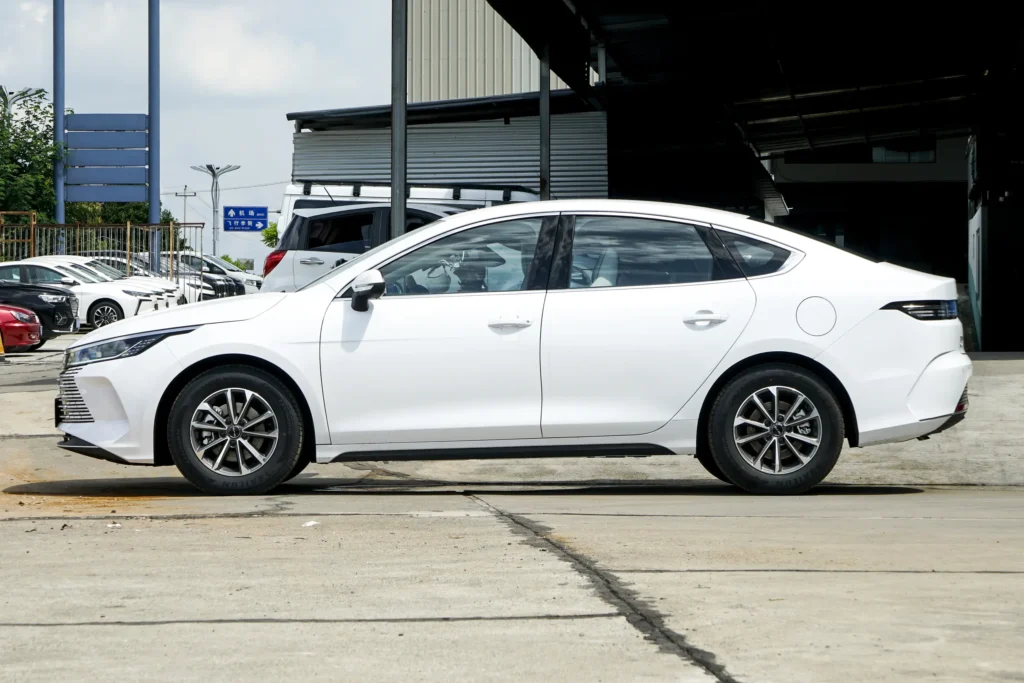
Choosing between the BYD King and Toyota Prius in Mexico is not simply a question of which hybrid is cheaper. The two cars use different hybrid systems, and that difference affects how you refuel, how much you may spend on energy, and how well each car fits your daily routine.
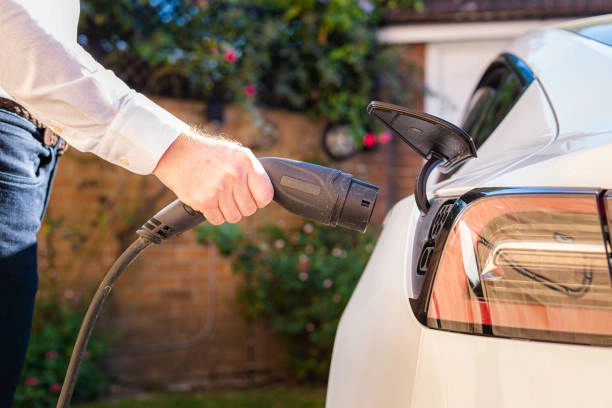
The 2027 BYD King DM-i is a plug-in hybrid (PHEV). Depending on the version, it can cover some daily trips using electric power, provided you charge it regularly. The 2027 Toyota Prius is a conventional hybrid (HEV). It uses a gasoline engine and an electric motor, but you do not need to plug it into an external charger.
Their prices are also closer than some buyers may expect. Based on published Mexican-market list prices available in October 2026, the entry-level BYD King GL is priced just MXN 600 below the Prius Base. That makes the powertrain and ownership experience more important than the small difference in starting price.
Here is how the two models compare—and what to consider before signing a purchase agreement.
1. BYD King vs Toyota Prius: 2027 Prices in Mexico
The published prices below provide a useful starting point for comparing the two models. Dealer promotions, financing conditions, insurance and final transaction prices may differ.
| Model and version | Published list price | Hybrid system |
|---|---|---|
| BYD King GL 2027 | MXN 524,900 | Plug-in hybrid (PHEV) |
| BYD King GS 2027 | MXN 579,900 | Plug-in hybrid (PHEV) |
| Toyota Prius Base 2027 | MXN 525,500 | Self-charging hybrid (HEV) |
| Toyota Prius Premium 2027 | MXN 599,500 | Self-charging hybrid (HEV) |
Sources: BYD King DM-i specifications, published BYD King prices and Toyota Prius 2027 pricing.
At the entry level, the Prius Base costs only MXN 600 more than the King GL. At the higher end, the Prius Premium costs MXN 19,600 more than the King GS.
Those price gaps are relatively small compared with the potential long-term cost differences between a plug-in hybrid and a conventional hybrid. But a higher purchase price does not automatically mean higher ownership costs, and a lower sticker price does not guarantee better value.
Before comparing monthly payments, ask each dealer for a full quotation that includes any mandatory fees, financing costs, insurance and current promotions. Compare the final amounts rather than relying on the advertised starting price alone.
2. The Biggest Difference: Plug-In Hybrid vs Conventional Hybrid
The most important distinction between these cars is how they use electricity.
BYD King DM-i: Designed for Charging
The BYD King uses the brand’s DM-i plug-in hybrid system. Its battery can be charged externally, allowing the car to complete eligible journeys with little or no gasoline use while sufficient electric range remains.
The 2027 King is offered in two versions with different electric-driving capabilities:
- King GL: advertised electric range of up to 50 km under the NEDC test cycle.
- King GS: advertised electric range of up to 170 km under the NEDC test cycle, with a battery capacity of up to 24.57 kWh.
These figures are manufacturer-reported test-cycle values, not guaranteed real-world distances. Speed, traffic, temperature, driving style, air-conditioning use and road conditions can all affect electric range.
For a driver with a predictable daily commute, the GS may be particularly attractive. If most weekday journeys fit comfortably within its practical electric range and the car can be charged at home, gasoline use could be substantially reduced.
The GL offers a lower entry price, but its shorter electric range makes charging frequency and trip length more important. Buyers should also check the charging specifications and included equipment for their exact version before assuming that a particular home-charging setup will work.
Toyota Prius: No External Charging Required
The 2027 Toyota Prius sold in Mexico uses a 1.8-liter gasoline engine paired with an electric motor. Toyota quotes a combined output of 138 hp and fuel economy of 31.12 km/L under controlled test conditions.
Unlike the BYD King, the Prius does not require an external charging routine. Its battery is managed by the hybrid system, which recovers energy during braking and uses the electric motor when operating conditions allow.
This makes ownership simpler for drivers who park on the street, live in apartments without charging facilities or regularly travel beyond the electric range of a plug-in hybrid.
The trade-off is that the Prius cannot rely on externally charged battery energy to complete a substantial share of the daily commute. Its gasoline consumption is therefore an important part of running costs, even in stop-and-go traffic.
The practical question is straightforward: Can you charge at home or work, and will your regular trips make useful use of that charge? Your answer may matter more than the difference in purchase price.
3. Which Car Costs Less to Run?
There is no single running-cost winner for every driver. The result depends on annual mileage, local gasoline and electricity prices, charging frequency and driving conditions.
A simple example for Prius buyers
Toyota publishes a combined fuel-economy figure of 31.12 km/L for the 2027 Prius in Mexico. At that rate, driving 15,000 km would use approximately 482 liters of gasoline:
15,000 km ÷ 31.12 km/L ≈ 482 liters
This is a calculation based on the published laboratory figure, not a promise about real-world consumption. Actual results can be lower, especially with sustained high-speed driving, heavy traffic, short trips or other unfavorable conditions.
Still, it provides a useful baseline when estimating fuel expenses. Multiply your expected annual gasoline consumption by the current price per liter in your area to create a budget. Use your own driving pattern rather than assuming that the published test figure will be reproduced in everyday use.
How BYD King ownership costs change with charging
The King requires a different calculation. When charged regularly, its plug-in system can reduce the amount of gasoline needed for daily travel. When it is rarely charged, much of that potential advantage may go unused.
For a realistic estimate, work through three figures:
- Daily distance: How far do you normally drive on weekdays?
- Practical electric range: How much of that distance can the car cover using battery power in your conditions?
- Charging cost: What will it cost to recharge at home or at your usual public charging location?
Do not use the advertised electric range as though every kilometer will always be completed on battery power. Nor should you assume that every trip begins with a fully charged battery.
For example, a driver who travels a moderate distance each day and charges overnight may use the King very differently from someone who drives long highway distances and cannot charge between trips.
The GS has the longer advertised electric range, but the extra capability is valuable only if your driving habits and charging access allow you to use it.
Look beyond the energy bill
A proper ownership comparison should include more than gasoline and electricity. Ask for insurance quotations for both vehicles, confirm scheduled maintenance requirements, and check tire replacement costs and warranty coverage.
Financing can also change the outcome. A promotional interest rate may have conditions, while a low monthly payment may involve a longer term or a larger final payment. Compare the total amount payable, not just the monthly installment.
For the BYD King, ask the dealer to clarify the warranty terms for the vehicle and traction battery. For the Prius, confirm the applicable hybrid-system and battery coverage. The exact written terms are more useful than a general promise that either brand is inexpensive to maintain.
4. Interior, Screens and Everyday Practicality
Both cars offer modern cabins, but their equipment approaches are not identical.
The 2027 BYD King has a digital instrument display and a central touchscreen. The GL uses a 12.8-inch screen, while the GS features a 15.6-inch unit. The model also offers a 15W wireless phone charger and a 522-liter trunk, expandable to a claimed 1,295 liters with the rear seats folded, according to BYD’s Mexican model information.
These features may appeal to drivers who prioritize screen size, connected technology and flexibility for carrying luggage or shopping. As always, test the infotainment system in person: screen dimensions alone do not tell you whether the menus are easy to use or whether the functions you need are available.
The Prius Base comes with an 8-inch central screen, while the Premium version uses a 12.3-inch touchscreen. Equipment varies by trim, so check details such as seat adjustment, parking sensors and connectivity before choosing between the versions.
Body style is another consideration. The BYD King is a sedan, while the Prius is a hatchback. The King offers a published trunk-capacity figure, but that number does not tell the whole story about loading bulky items. A hatchback’s larger opening can make certain objects easier to carry even if the nominal cargo volume looks similar.
If you frequently transport suitcases, a stroller, sports equipment or work materials, test the actual loading area with your usual items. A short visit to the showroom can reveal practical differences that a specification sheet cannot.
5. Safety Equipment: Check the Exact Trim
Safety is an area where buyers should compare equipment line by line rather than relying on general brand reputations.
BYD lists six airbags for the new King DM-i and promotes a range of driver-assistance technologies on its Mexican model page. The precise equipment available on a particular vehicle should be confirmed against the GL or GS specification and the dealer’s written quotation.
The Mexican-market Prius lists seven airbags, along with Toyota Safety Sense and additional assistance features depending on equipment. Buyers should confirm the specific systems included in the Base and Premium versions they are considering.
When comparing the two cars, check whether the exact trim includes the driver-assistance functions you value, such as automatic emergency braking, adaptive cruise control, blind-spot monitoring and rear cross-traffic alert. Also confirm whether the system’s availability or operating conditions differ between versions.
Airbag counts and a list of electronic features are useful starting points, but they do not establish which car is safer overall. Independent crash-test results, the vehicle’s structural performance and the specification of the car sold in Mexico also matter.
6. Warranty, Service and Resale Value
A new car is a long-term purchase, so local ownership support deserves as much attention as the showroom experience.
Toyota’s Prius has a long history as a hybrid model, and many buyers will be familiar with its basic operating principle. For a prospective owner, the practical questions are whether a nearby dealer can provide scheduled maintenance conveniently, what the service intervals are, and how much those visits are expected to cost.
BYD buyers should make the same checks. Before placing an order, identify the authorized service location you would actually use, ask about parts availability for routine maintenance and wear items, and obtain written warranty conditions. This is especially useful if you live outside a major metropolitan area.
Resale value is harder to predict. Toyota’s established hybrid track record may influence buyer confidence, while the resale performance of a particular BYD King will depend on factors such as market demand, future pricing, vehicle condition, mileage, service history and battery condition.
Neither brand’s future resale price can be guaranteed. If you expect to sell the car after three or four years, ask local dealers for a current trade-in estimate and look at comparable used-car listings. Treat those figures as indicators, not promises of what your vehicle will eventually be worth.
It is also worth checking whether a dealer’s advertised discount is likely to affect the price you would pay today compared with the resale price you might receive later.
7. Which One Should You Buy in Mexico?
The better choice depends on how you drive and where you can charge.
Choose the BYD King GL if:
You want a plug-in hybrid at a starting price close to the Prius Base, and your typical daily journeys are relatively short. You have a practical charging option and are comfortable checking how much of your routine driving fits within the GL’s more limited advertised electric range.
Choose the BYD King GS if:
You want more electric-driving capability and can charge regularly. Its advertised range of up to 170 km NEDC makes it the more compelling King for buyers who want to cover a larger share of daily journeys using battery power. Real-world performance and charging access remain decisive.
Choose the Toyota Prius Base if:
You prefer a conventional hybrid that does not depend on plugging in. It is a logical option if you drive a mix of city and highway routes, park where charging is inconvenient, or want the simplicity of refueling at a gasoline station without changing your daily habits.
Choose the Toyota Prius Premium if:
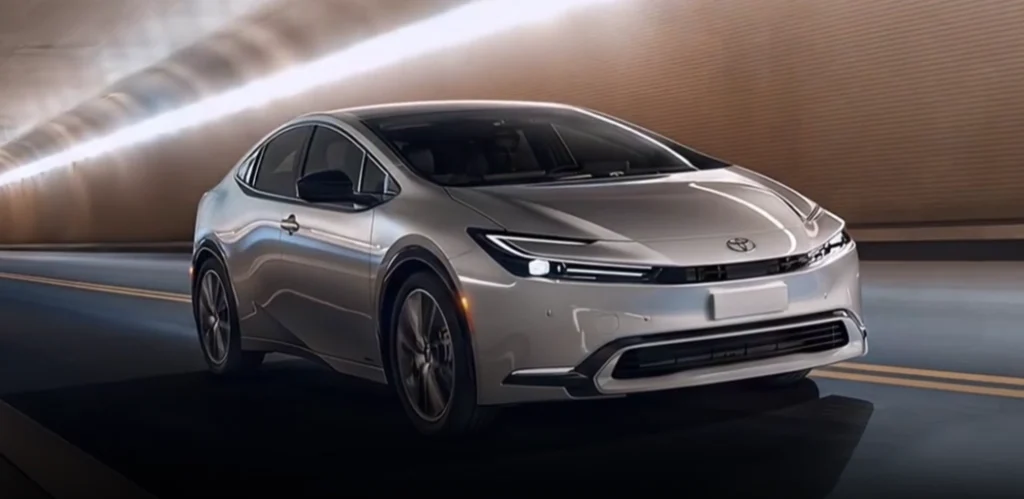
You prefer the Prius’s hybrid system and want the additional equipment offered by the Premium version, including the larger central touchscreen and other trim-specific comfort features. Compare the final price and equipment list with the King GS before deciding whether the difference is worthwhile.
For buyers who have home charging, the BYD King deserves close consideration. For those who cannot charge consistently, the Prius may be the more straightforward ownership choice. Neither conclusion is universal: annual mileage, travel patterns, local service access and the final purchase quote can change the answer.
Which car has better fuel economy?
The Prius has a published combined fuel-economy figure of 31.12 km/L under controlled test conditions. The King is a plug-in hybrid, so its gasoline use depends heavily on how often it is charged and how much distance it covers on electric power. These different operating patterns make a single direct fuel-economy comparison incomplete.
Is the BYD King GS worth paying more for than the GL?
The GS may be worth considering if you regularly charge the car and want its longer advertised electric range. However, buyers should compare the price difference with their daily mileage, charging costs and the exact equipment included. Someone who rarely charges may not benefit as much from the GS’s larger electric range.
Final Verdict
The BYD King and Toyota Prius target buyers who want to reduce fuel use, but they approach the job differently. The King gives you plug-in capability and the possibility of covering many daily trips electrically. The Prius avoids the need for an external charging routine and offers a familiar conventional-hybrid experience.
Before deciding, compare the full purchase quotations, test the cars on roads similar to your normal commute, and calculate energy costs using your own driving habits. For the King, charging access should be part of the decision from the beginning—not an afterthought.
For buyers and businesses exploring Chinese new-energy vehicles, sourcing options and export support, visit CNEV Export to learn more about vehicles.
FAQ
Is the BYD King cheaper than the Toyota Prius in Mexico?
Based on published 2027 list prices available in October 2026, the BYD King GL starts at MXN 524,900, compared with MXN 525,500 for the Prius Base. The entry-level difference is only MXN 600. The King GS is listed at MXN 579,900, while the Prius Premium is MXN 599,500. Confirm current prices and promotions with local dealers.
Does the BYD King need to be charged every day?
It does not need to be plugged in to continue operating as a hybrid, but regular charging is important if you want to make full use of its plug-in capability. The value of charging depends on your daily distance, available charging facilities and how much of your driving can be completed using electric power.
Does the Toyota Prius need an external charger?
No. The 2027 Prius sold in Mexico is a conventional hybrid (HEV), not a plug-in hybrid. Its battery is charged through the hybrid system, including energy recovered during braking, so you do not need to connect it to a home or public charger.